
£115.00
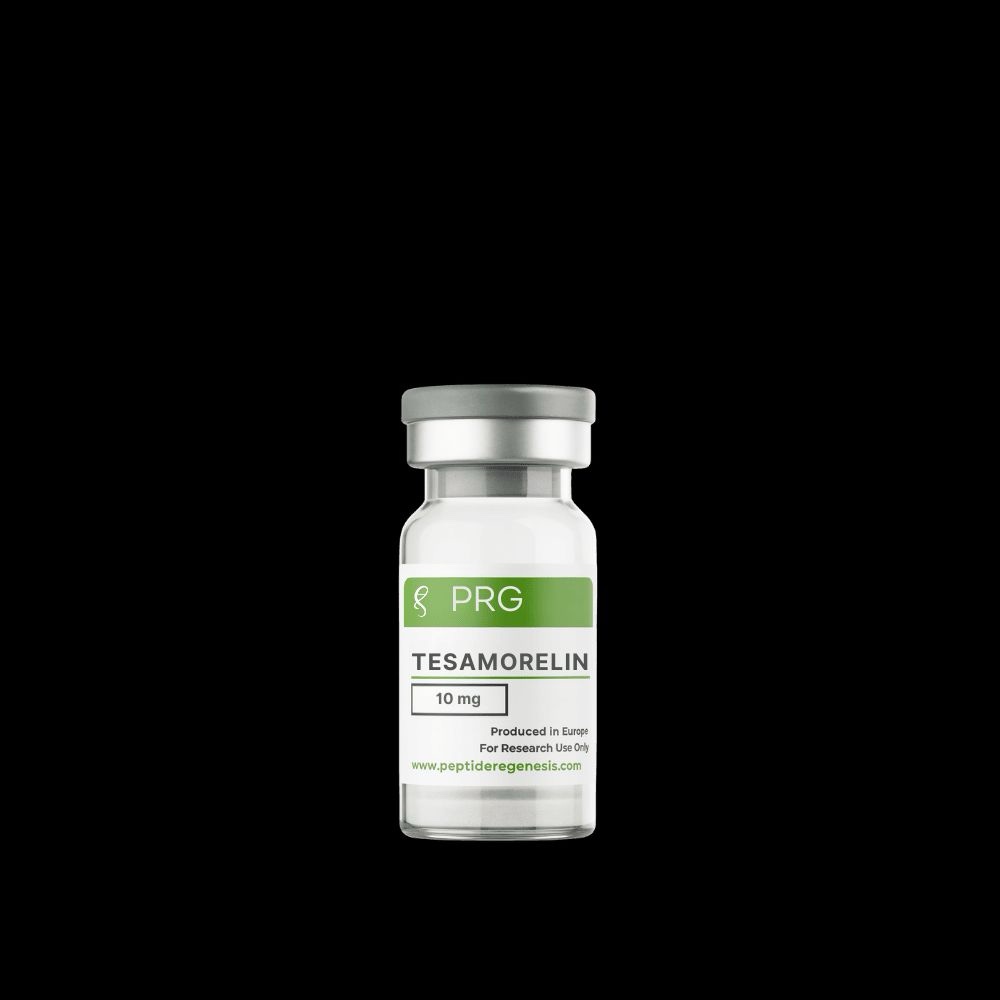
This research-grade peptide is supplied exclusively for laboratory and experimental use. Tesamorelin is studied in experimental models investigating growth hormone axis modulation and body composition–related signaling. Research interest includes how endocrine signaling influences metabolism and structural adaptation.
Tesamorelin is a synthetic 44-amino-acid peptide analog of growth hormone-releasing hormone (GHRH), modified with a trans-3-hexenoyl group for enhanced stability and potency. Originally developed as an orphan drug (branded as Egrifta), it received FDA approval in 2010 for reducing excess visceral adipose tissue (VAT) in HIV-infected adults with lipodystrophy associated with antiretroviral therapy. It has since gained attention in anti-aging, body composition optimization, metabolic health, performance enhancement, and cognitive support.
Mechanism of Action
Tesamorelin selectively binds to GHRH receptors on pituitary somatotroph cells, stimulating pulsatile release of endogenous growth hormone (GH) while preserving natural feedback regulation and avoiding receptor desensitization. The resulting GH surge prompts hepatic production of insulin-like growth factor-1 (IGF-1), which promotes lipolysis, protein synthesis, and metabolic efficiency. With a short half-life (8–120 minutes), it mimics physiological GH pulses without significantly affecting cortisol, prolactin, TSH, LH, FSH, or ACTH. It enhances mitochondrial biogenesis, fatty acid beta-oxidation, autophagy, and key signaling pathways including PI3K/AKT/mTOR and AMPK, supporting cellular energy efficiency, myogenesis, and preferential fat utilization. It synergizes effectively with testosterone and other GH secretagogues to amplify anabolism, improve glucose disposal, promote deep sleep, and reduce triglycerides without promoting insulin resistance.
Benefits and Potential Applications
Clinical data demonstrate 12–20% reductions in visceral adipose tissue, 1.3–1.8 cm decreases in waist circumference, and improvements in liver enzymes (reduced ALT/AST) in non-alcoholic fatty liver disease. Lipid profiles improve with significant drops in triglycerides (up to ~150 mg/dL), total cholesterol, and LDL, alongside cardiovascular benefits such as reduced carotid intima-media thickness. Cognitive effects include enhanced executive function, verbal memory, and visual recall, particularly in aging populations or those with mild impairment after 20 weeks of use. For physique and performance, it supports indirect muscle gains through elevated GH, accelerated recovery, increased stamina, and fat loss—most pronounced in caloric surplus (12–20% above maintenance) with optimized testosterone levels. It aids nerve repair, activates satellite cells for myogenesis and angiogenesis, reduces fibrosis during training stress, and improves sleep architecture. Off-label applications include general obesity management, menopausal hormone optimization, immune modulation, sexual function, sleep quality, and athletic performance. Exploratory studies examine its role in age-related abdominal fat accumulation, though long-term safety data remain limited outside the approved indication.
To better understand how Tesamorelin functions within growth hormone research, explore our detailed guide on the differences between GHRH and GHRP peptides – Differences Between GHRH and GHRP peptides
To explore how growth hormone–related peptide research is examined in the context of muscle preservation during GLP-1/GIP–associated weight loss, see our related research article on muscle preservation mechanisms.
Related research context
For a broader research overview of muscle growth, anabolic signaling, and adaptive recovery pathways, see:
→ Muscle Growth & Regeneration: Research Perspectives
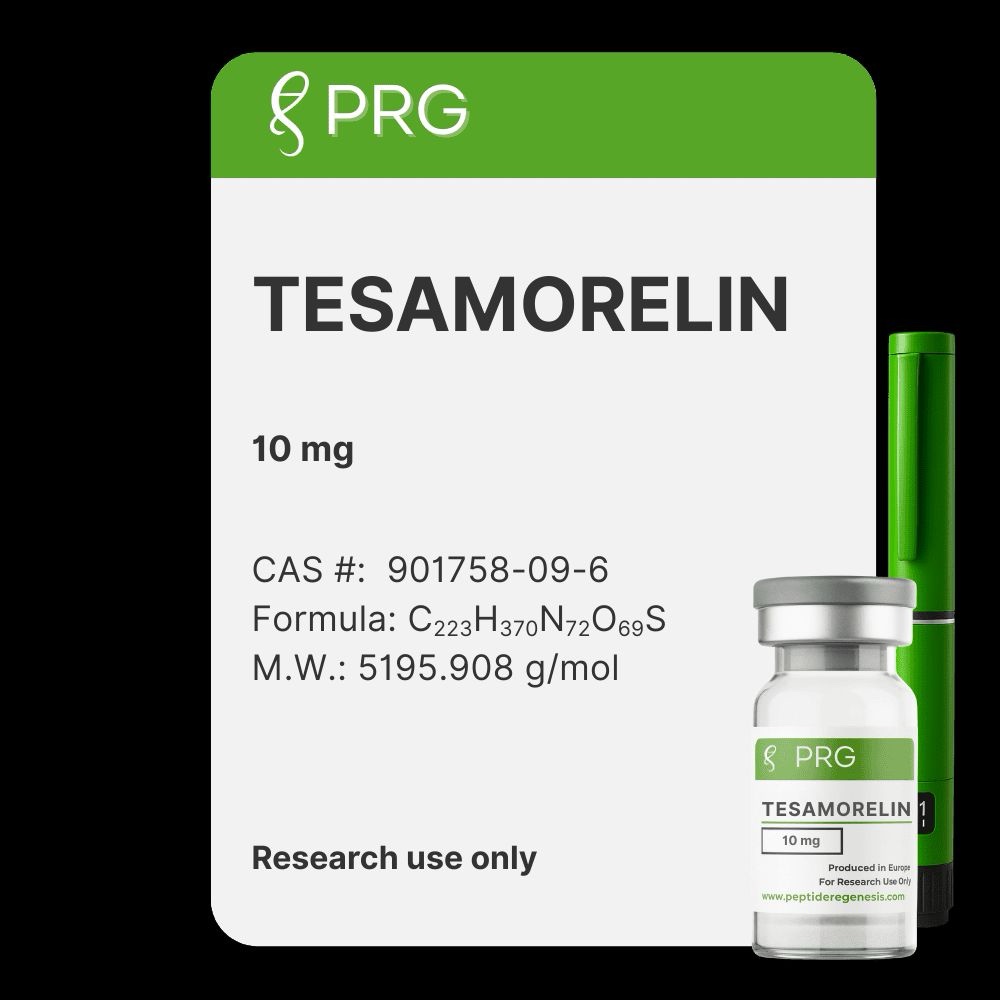
Product Description – Tesamorelin 10 mg
Molecular Formula: C223H370N72O69S
Molar Mass: ~ 5196 g/mol
Be the first to review “Tesamorelin 10 mg – High-Purity GHRH Analog Peptide”
Related products
Reviews
There are no reviews yet.